If there’s a thing, I’ve learned in my years working with various brands across the UK It’s this the choice of material for your packaging can be just as equally as the design.
You can have the best branding, the most beautiful logo, and the most well-thought-out box design. But if the product isn’t correct, the entire experience is a disaster. Customers are damaged, products lose faith and your company’s image does not appear exactly how you wanted it to.
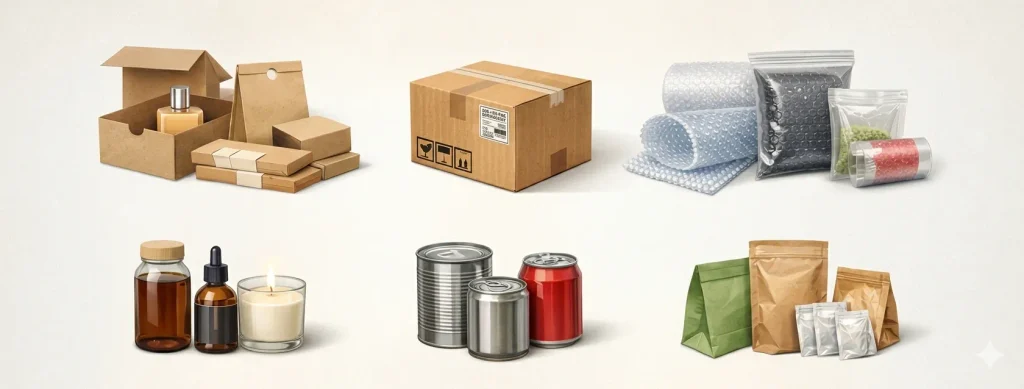
Let’s keep it easy and practical. I’ll guide you through the most common types of packaging materials available in the present, how they perform best, and the best way to select the best one to your particular product.
Why Packaging Materials Matter
Many businesses place emphasis heavily on design, which is fine -but the material selection is what holds the true obligation.
Good packaging materials accomplish three things well:
- Be sure to protect your product when it is in storage and delivered
- Help promote your brand’s image (premium green, sustainable and budget-friendly, for example.)
- Control your expenses
For instance, if you’re sending products that aren’t of sufficient strength, you’ll soon understand the reason corrugated boxes for shipping are popular. They’re not only popular -they’re also reliable.
While at the same time making use of costly or heavy materials even in situations where you don’t require them could eat away at your profit margins.
Therefore, it’s always about the balance.
Paper-Based Packaging Materials
Packaging made of paper is typically the first-place brands begin -and, in reality, it’s one of the most practical options out there.
You’ve got options like:
- Kraft paper
- Paperboard
- Cartons to fold
They are all over the world, from retail shelves, takeaway food and even cosmetics.
The reason they are so useful is their ease of use. They’re simple for printing on meaning that your logo will appear clear and sharp. They’re also lightweight, meaning shipping costs remain low.
In terms of sustainability, from a standpoint they do tick a number of boxes. The majority of paper-based materials are biodegradable and recyclable that is more crucial than ever for UK customers of today.
If you’re trying to build your brand and are looking for something simple, cost-effective and simple to customize Paper-based packaging is an ideal place to start.
Corrugated Packaging (Most Trusted for Shipping)
When you’re looking for serious protection especially for eCommerce, corrugated packaging is the best choice.
This is the main material used in the majority of shipping boxes. It’s composed of the fluted layer that is sandwiched between two sheets, giving its strength, but not making it too heavy.
That’s precisely the reason it’s so effective.
When you’re shipping fragile items or you just need peace of mind during the delivery process, corrugated packaging boxes will do the job well.
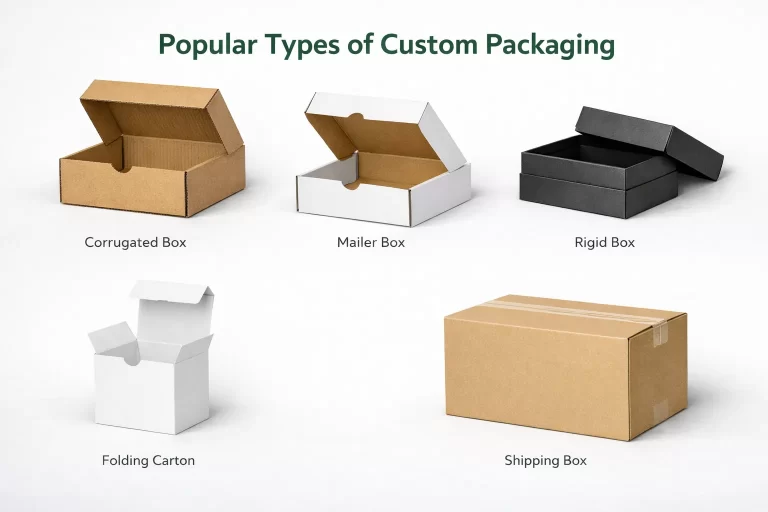
If you’re a brand looking for something that is more refined for direct delivery to customers, custom mailer boxes are a fantastic alternative. They’re typically made of corrugated board, but designed to appear cleaner and look more attractive for unboxing.
They’re often seen with subscription brands as well as online stores that are concerned with appearance as well as security.
Plastic Packaging Materials
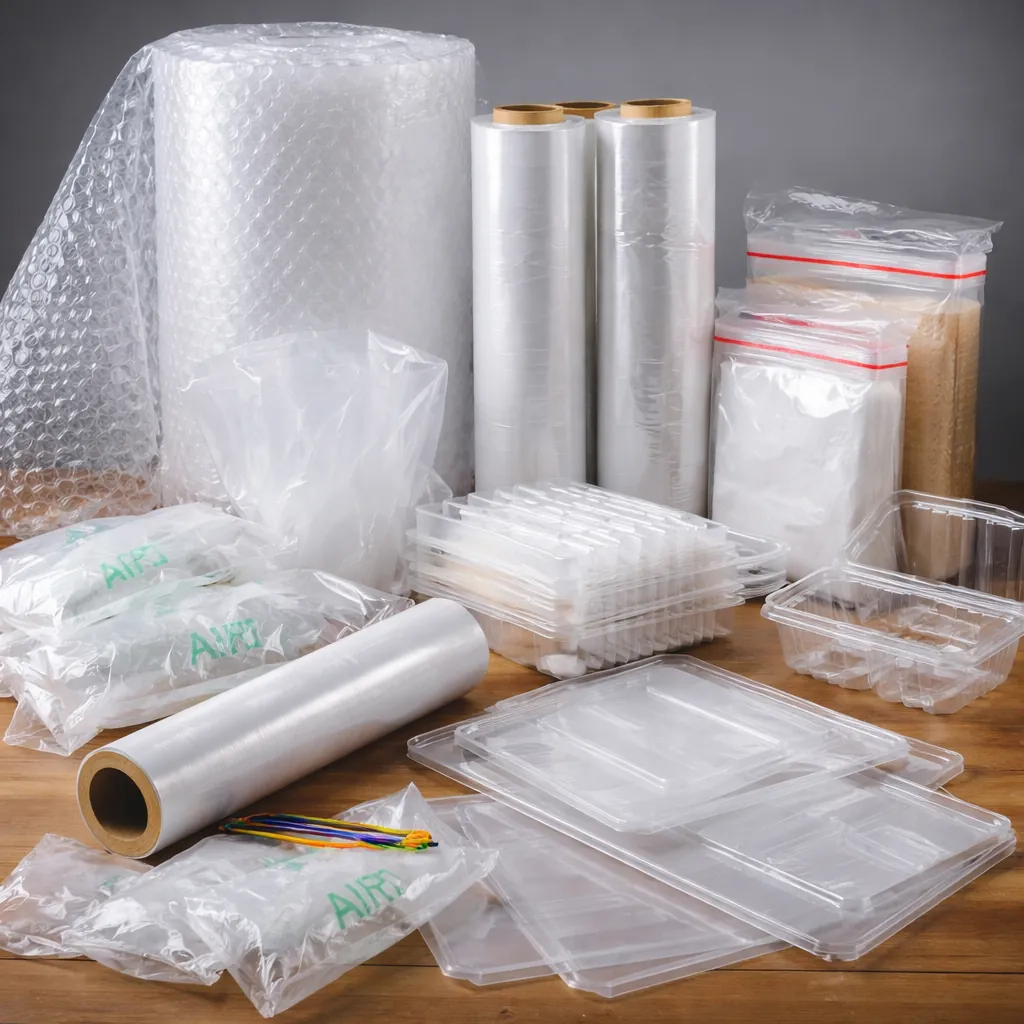
Plastic is still used in packaging, despite the fact that several brands are trying to limit the use of plastic.
It is commonly employed to:
- Polybags
- Bubble wrap
- Shrink wrap
The primary benefit is its practicality. Plastic is light as well as flexible and impervious to moisture making it suitable for a variety of products, particularly food items or packaging.
There’s no denying the potential negatives. Environmental concerns have led many UK companies to reconsider the amount of plastic they use.
There are better alternatives readily available, including biodegradable or recyclable plastics. If you’re looking for plastic, consider looking into the alternatives.
Glass Packaging

The glass industry is about the presentation.
It instantly gives the product an elegant and luxurious feel regardless of whether the product is a candle product for skincare, or drink.
There’s also a practical aspect to it. Glass isn’t a reaction with liquids, which makes it suitable for foods, oils and liquids. Furthermore, it’s completely recyclable.
The problem, of course is that it’s extremely fragile and heavier than other products. This means more expensive shipping costs and the necessity for protective packaging.
Most of the time glass products are placed with sturdy boxes for the outside typically corrugated- to ensure their safety throughout their journey.
Metal Packaging
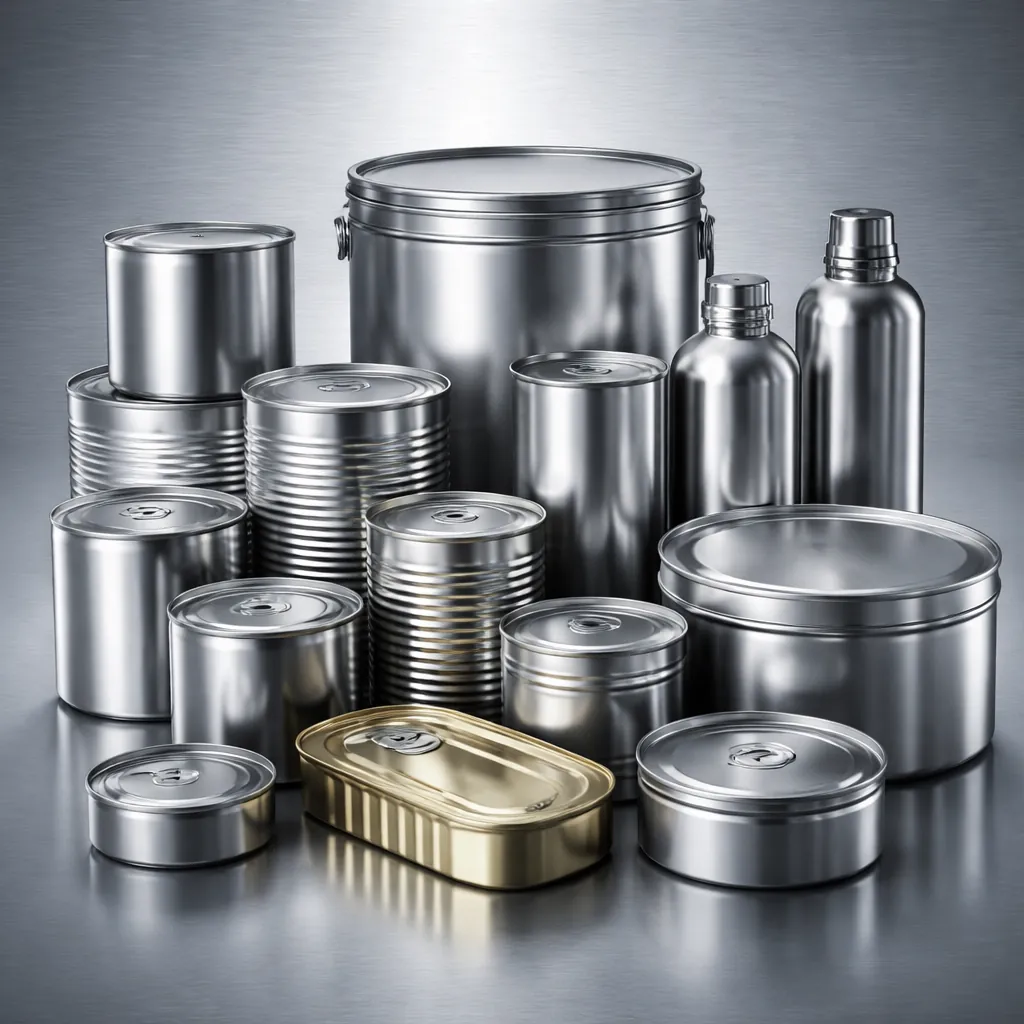
Metal packaging isn’t a thing every company uses, but when used when it’s used correctly it’s extremely efficient.
It’s in:
- Food tins
- Beverage cans
- Aerosol products
Metal is durable in its properties. It is resistant to the elements of air, light and moisture, which can help prolong the shelf’s lifespan.
The product is also recyclable. That’s a positive.
However, it is also known to be more costly but less flexible design, compared to paper-based alternatives. Therefore, it’s typically utilized when protection and preservation are important.
Flexible Packaging
Flexible packaging has increased in popularity in recent times, particularly with the latest and green brands.
This includes:
- Pouches
- Sachets
- Wrapping films
The main benefit is the efficiency. It makes use of less material, occupies smaller space and also reduces the weight of the shipping.
This makes it an excellent option for snacks or supplements, as well as small retail products.
It’s also important to note that the use of flexible packaging has been getting better on the sustainability front as more recyclable options are coming to the market.
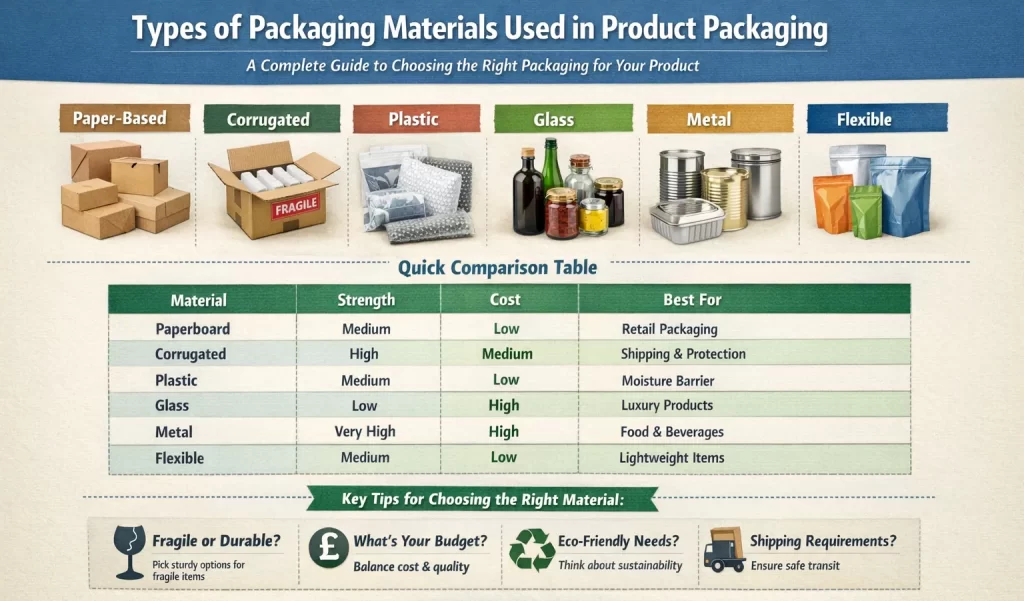
Quick Comparison Table
Here’s an easy approach to think about it:
| Material | Strength | Cost | Best For |
|---|---|---|---|
| Paperboard | Medium | Low | Retail packaging |
| Corrugated | High | Medium | Protection & shipping |
| Plastic | Medium | Low | Wrapping & moisture protection |
| Glass | Low (fragile) | High | Premium products |
| Metal | Very High | High | Food & industrial |
| Flexible | Medium | Low | Lightweight items |
How to Choose the Right Material
This is where everything connects.
Instead of pondering the issue you can simply ask yourself these simple questions:
- Is my item too fragile? is able to be easily broken, you’ll require something sturdy generally corrugated.
- What type of experience do I wish to create? If you’re looking for a luxurious feeling, materials like glass or rigid board are ideal.
- What’s my budget Flexible packaging and paper-based packaging are more affordable.
- Do I care about sustainability for my clients If they are in the UK generally, it does. Recycling materials such as paper and corrugated boards are a great option.
- What is the method by which the product will be shipped? Shipping always increases the risk. This is why durable outer packaging is essential.
If you’re looking for a more thorough understanding of how corrugated materials function specifically, go through our thorough information on corrugated packing in which we discuss it in a more practical manner.
Conclusion
The bottom line is that there isn’t a one “best” packaging material. It’s all about the product you’re selling, your brand and the way in which you conduct business.
Paper-based packaging is excellent for its simplicity and branding. Corrugated packaging provides solidity and security. Glass and metal give you an exquisite feeling. Flexible packaging can help ensure that things are productive.
The most important thing is to choose the best option for your needs not only what looks good on a surface.
If you have the materials perfect, everything else begins to flow. Your product will arrive with ease, your brand appears solid, and your customers will notice the difference.
Need packaging advice for your next order?
Share your box size, material, quantity, and artwork needs. Our team can guide you before production starts.