If you’ve been in the packaging industry as long as I have, you’ll know one thing for certain: a soap box is never “just a box”.
Over the past couple of decades working across UK retail, eCommerce and private-label manufacturing, I’ve seen countless brands underestimate packaging — especially in categories like soap It’s small. It’s affordable. It’s everyday. But that’s precisely why the packaging matters so much.
Let’s take it apart in detail into what a soapbox actually is, what it can do and how it could be used to support your brand… and actually hinder it.
What Is a Soap Box, Really?
In its most basic form, soap boxes are another packaging used to hold and protect a soap bar.
In reality it is responsible for three main tasks:
- Protects the product
- Communicates the brand
- Helps sell the soap
In the UK market — whether you’re supplying independents, supermarkets, or selling online — you need it to do all three well.
Why Soap Packaging Matters More Than Ever in the UK
Walk into any Boots, Tesco or independent zero-waste shop and you’ll see what I mean. Shelves are crowded. Artisan brands sit next to heritage names. Sustainable claims are everywhere.
Today’s UK consumer:
- Cares about sustainability
- Reads ingredients
- Judges quality by appearance
- Shares unboxing experiences online
Your soap box is often the first and only physical interaction someone has with your brand before they decide to buy.
That’s not something to treat lightly.
The Protective Role of a Soap Box
Let’s start with the practical side. Because if the soap arrives damaged, nothing else matters.
1. Physical Protection
In the UK supply chain, products are:
- Palletised
- Shrink-wrapped
- Transported across depots
- Shelved by busy staff
A decent folding carton prevents:
- Crushed corners
- Scuffed surfaces
- Misshapen bars
If you’re selling DTC (direct-to-consumer), protection becomes even more important. Royal Mail and courier handling isn’t exactly delicate.
2. Protection from Moisture and Environment
Soap is sensitive to humidity. And let’s be honest — in the UK, humidity is part of daily life.
A properly specified board grade and finish can:
- Reduce moisture absorption
- Protect fragrance retention
- Prevent softening or sweating
It’s particularly important for natural or glycerine-rich soaps.
3. Hygiene and Tamper Protection
Post-Covid, UK consumers are far more conscious of hygiene.
A soap box:
- Prevents handling in-store
- Signals cleanliness
- Can include tamper-evident seals
It reassures buyers that what they’re purchasing hasn’t been touched repeatedly.
Types of Soap Boxes (And When to Use Them)
Not all soap boxes are created equal. Let’s look at the common options in the UK market.
Folding Carton Boxes
This is the standard retail option.
- Cost-effective
- Lightweight
- Excellent for high-volume production
- Ideal for supermarkets and independent retailers
For most brands, this is the sweet spot between cost and performance.

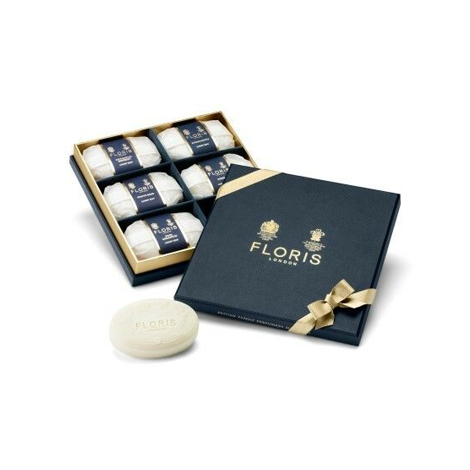
Rigid Boxes
These are premium presentation boxes.
You’ll see them used for:
- Gift sets
- Luxury spa brands
- Seasonal collections
They’re more expensive, but they create perceived value instantly.
Kraft Soap Boxes
Very popular with:
- Organic brands
- Handmade soap makers
- Farm shops and zero-waste stores
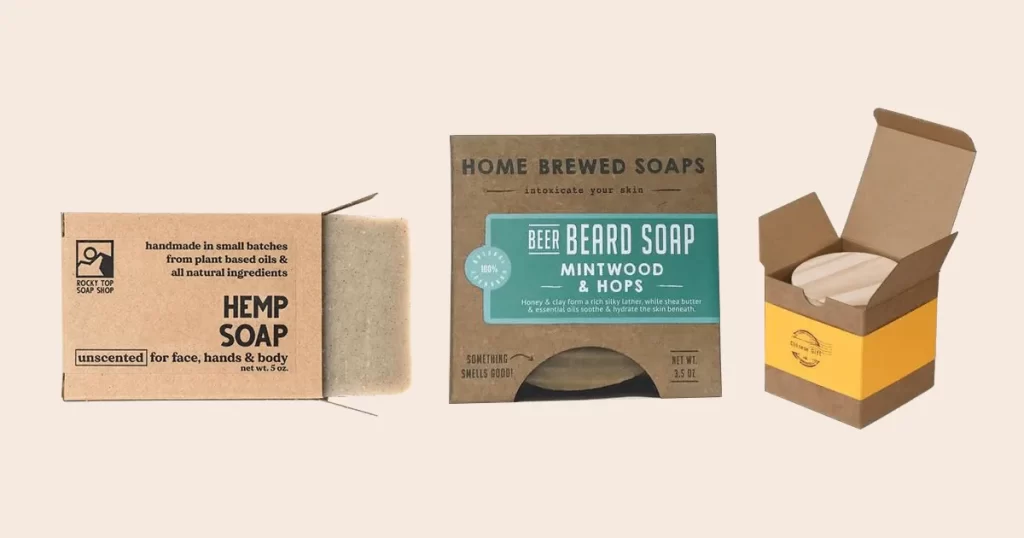
Kraft board communicates sustainability and authenticity — especially important for UK eco-conscious consumers.
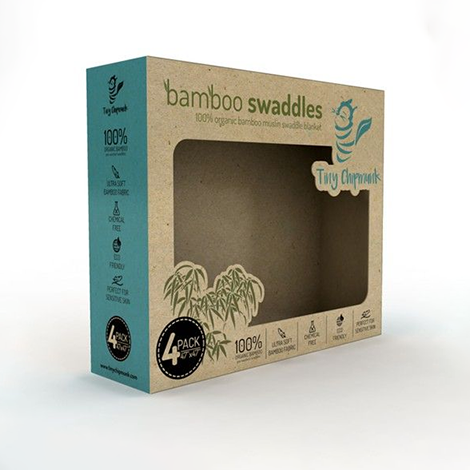
Window Boxes
Adding a die-cut window :
- Shows off texture or colour
- Builds trust
- Reduces hesitation
But be careful — plastic windows can clash with sustainability messaging unless you use compostable films.
Custom Die-Cut Designs
If you want to stand out in a crowded aisle, structural design can do wonders.
But from experience, I’d say: only invest in complex shapes if your margins support it. Otherwise, spend that budget on print finish instead.
Materials Matter More Than You Think
In the UK, sustainability isn’t a trend — it’s expected.
Cardboard & Paperboard
The most common material.
- Excellent print quality
- Fully recyclable
- Widely accepted in kerbside recycling
You can’t go wrong with FSC-certified board.
Kraft Paper
Unbleached, natural-looking, biodegradable.
Perfect for:
- Vegan brands
- Handmade ranges
- Low-carbon positioning
But remember: kraft can limit very vibrant print colours.
Corrugated Board
Usually used for:
- Outer transit packaging
- Subscription boxes
- Wholesale shipping
Overkill for individual retail soap cartons, but essential for transport protection.
How a Soap Box Builds Your Brand
Now we move into the strategic bit — the part too many brands overlook.
First Impressions Count
Colour, layout and finish create immediate signals:
- Pastels = gentle, skincare-led
- Dark tones = luxury
- Minimalist white = clinical or natural
UK shoppers decide fast. Your box must communicate positioning within seconds.
Typography and Messaging
Clarity is crucial.
Your soap box should clearly show:
- Product name
- Key benefits
- Ingredients
- Weight (legally required in the UK)
- Manufacturer details
Overcrowding is one of the biggest mistakes I see.
Print Finishes That Elevate Perception
Small upgrades can dramatically increase perceived value:
- Foil stamping
- Embossed logos
- Soft-touch lamination
- Spot UV
For premium high-street positioning, these finishes are worth every penny.
Packaging as a Silent Salesperson
In retail, your soap box does the talking when you’re not there.
It:
- Differentiates you from competitors
- Communicates trust
- Justifies price point
Better packaging often supports higher pricing. That’s not theory — I’ve seen it repeatedly across UK private label brands.
Marketing Advantages You Might Be Missing
Seasonal & Limited Editions
Changing packaging for:
- Christmas
- Mother’s Day
- Valentine’s
- Summer collections
Keeps your range fresh without reformulating the product.
Unboxing for eCommerce
If you sell online, packaging becomes part of the experience.
Well-designed soap boxes:
- Photograph well
- Encourage social sharing
- Increase repeat purchase likelihood
In the UK DTC space, that’s gold.
Sustainability: Not Optional Anymore
UK consumers increasingly check packaging disposal instructions.
You should consider:
- Plastic-free windows
- Soy-based inks
- FSC-certified board
- Minimalist design to reduce waste
Over-packaging can actually harm your brand perception now.
Cost vs Return on Investment
Let’s talk money.
Soap boxes are influenced by:
- Board grade
- Print colours
- Finishes
- Order volume
- Tooling for custom shapes
But here’s the key: packaging isn’t just a cost. It’s part of your pricing strategy.
Better packaging can:
- Increase perceived value
- Improve shelf appeal
- Reduce product damage
- Support premium pricing
That’s return on investment.
Choosing the Right Soap Box for Your Brand
Ask yourself:
- Who is my target customer?
- Where is it being sold?
- What price point am I aiming for?
- What are my sustainability commitments?
Mass retail and boutique farm shops require completely different packaging approaches.
Common Mistakes I See (After Years in UK Packaging)
- Overcomplicated artwork
- Poor board quality to save pennies
- Ignoring recycling guidance
- Claims that don’t match brand positioning
- Forgetting legal labelling requirements
These are avoidable — with proper planning.
Future Trends in UK Soap Packaging
Looking ahead, we’re seeing:
- Minimalist Scandinavian-inspired design
- Smart packaging (QR codes for brand stories)
- Increased demand for compostable materials
- Stronger transparency around sourcing
Brands that adapt early tend to win long term.
Final Thoughts
A soap box isn’t just packaging.
It protects your product.
It carries your brand identity.
It influences buying decisions.
It supports your sustainability message.
It affects your margins.
In a competitive UK market, it’s one of the smartest investments you can make.
Get it right, and it quietly works for you every single day.
Get it wrong, and it quietly costs you sales.
After years in this industry, I can tell you — the brands that treat packaging strategically are the ones that grow steadily and sustainably.
Need packaging advice for your next order?
Share your box size, material, quantity, and artwork needs. Our team can guide you before production starts.