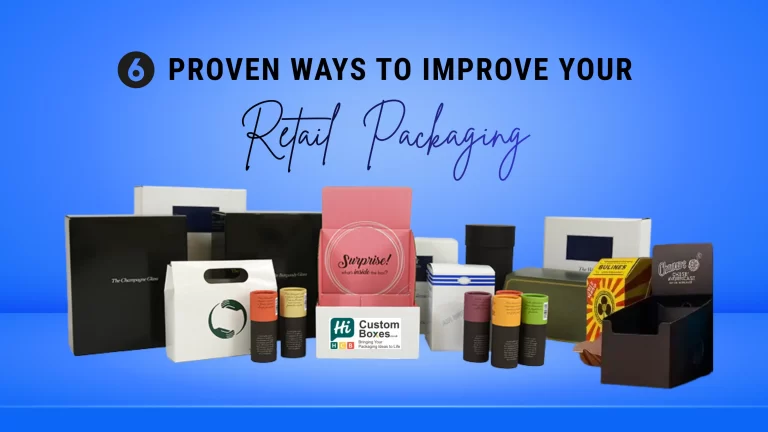
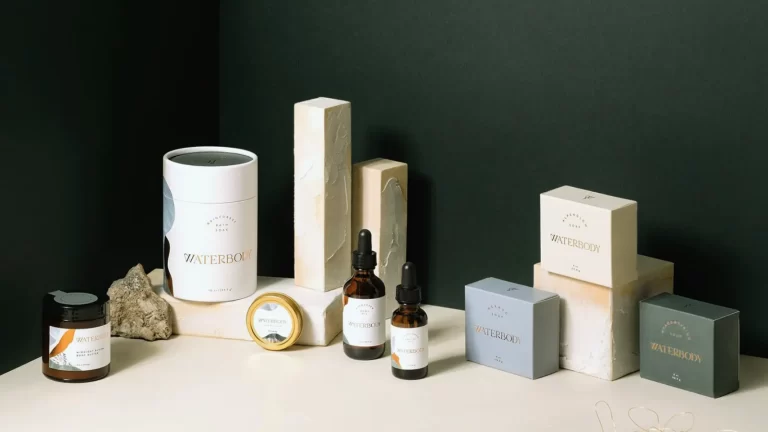
Let’s be real, 2026 is not the year you can ignore packaging. Every small brand I meet is juggling two asks at once: make it look amazing, and make it genuinely sustainable. The good news? There are fresh ideas and smarter materials out there that make both possible. That’s no small task. In this post, I’m sharing the Sustainable Packaging Trends in 2026 that I’m already seeing on the horizon. Think of it as your roadmap to staying ahead without losing sleep (or margins).
Why 2026 Feels Like a Tipping Point
I’ve been in packaging for decades, and honestly, I can feel the shift in the air. The EU is tightening regulations, the UK market is waking up to stricter compliance, and consumers are just… demanding more. They don’t want vague “eco” claims anymore. They want proof. And they’re willing to ditch brands that don’t deliver. That’s why sustainable packaging is no longer a “nice to have.” It’s your ticket to compete.
Trend 1: Biodegradable Packaging That Actually Works
We’ve all seen the half-hearted “compostable forks” that crack after two bites of pasta. But 2026 is where biodegradable packaging grows up. We’re talking new blends of sustainable packaging materials that break down without losing performance. Brands are already experimenting with sugarcane pulp, mushroom fibre, and seaweed films. If you sell food or cosmetics, keep your eye here. The durability gap is closing, fast.
Trend 2: Minimal Waste Packaging as a Brand Identity
Forget stuffing a box with filler just to make it look “luxury.” Minimal waste packaging is not only cheaper, it’s becoming a badge of honour. Customers love the moment when they open a parcel and find everything snug, no excess plastic, no guilt. In 2026, this design principle won’t just be about trimming costs, it’ll scream brand values. Smart dielines, right-sized fits, and clean folds will win you more loyalty than you think.
Trend 3: Circular Packaging Goes Mainstream
You’ve probably heard “circular packaging” tossed around. Here’s the simple version: instead of your boxes heading for landfill, they circle back into the supply chain. In 2026, recycled packaging trends will be fuelled by real infrastructure. Think take-back schemes at retail counters, reusable delivery boxes for online brands, or partnerships with recycling co-ops. For small brands, this means positioning yourself as part of a bigger ecosystem, which your eco-minded shoppers will eat up.
Trend 4: The Rise of Plastic Alternatives
The hunt for plastic alternatives packaging is intensifying. Paper-based flexibles, bio-plastics, and even edible wraps are hitting shelves. Here’s the kicker: it’s not about ditching plastic entirely, it’s about smart swaps. In food, flexible packaging sustainability is key, imagine a clear window made of plant cellulose instead of PET. These swaps can cut your packaging carbon footprint without wrecking your unit cost.
Trend 5: Design as Storytelling
You can’t underestimate the power of green packaging design. A kraft box with soy inks tells a story before a customer even touches your product. In 2026, I predict more brands will lean into raw, tactile finishes that look “real,” not polished. For the UK market especially, that natural vibe resonates. Shoppers want to recognise authenticity, and your packaging is the first handshake.
Trend 6: Compostable and Zero Waste Systems
Here’s where regulation meets innovation. Compostable packaging 2026 standards will be stricter, meaning your supplier has to prove compostability, not just slap on a leaf icon. Meanwhile, zero waste packaging is getting serious, refill stations, reusable glass paired with custom boxes, and dissolvable inner wraps. If you’re in personal care or F&B, this is the train to board.
Trend 7: Localised Supply Chains
Sourcing local isn’t just about “made in Britain” pride anymore. It’s about resilience. With supply chain shake-ups and shipping costs, small brands in the UK are finding that local printers, sustainable packaging UK suppliers, and regional recycled board mills keep you competitive. Plus, your customers care. You’ll cut lead times and carbon miles in one go.
Trend 8: Tech Meets Eco
Don’t sleep on digital tools. From QR codes linking to your packaging’s footprint, to AI optimising your sustainable boxes 2026 order quantities, technology is quietly making eco packaging smarter. Imagine scanning a box and seeing its entire life cycle explained in seconds. That’s where things are headed, and it gives your brand another touchpoint to shout about transparency.
Making Smarter Packaging Choices in 2026
Sustainable packaging in 2026 will come down to making smarter, more honest choices. You don’t need to change everything overnight. Start with the areas that make sense for your product, whether that means reducing excess material, choosing recyclable board, testing compostable alternatives, or working with a local supplier. The brands that get this right won’t just tick a compliance box. They’ll build trust, cut waste, and create packaging customers can feel good about.
Need packaging advice for your next order?
Share your box size, material, quantity, and artwork needs. Our team can guide you before production starts.