Expert Strategies to Boost Shelf Appeal, Reduce Costs, and Win UK Shoppers
Walk into any shop on the high street — from Tesco to Boots — and you’ll see one thing immediately:
“Packaging sells before your product ever speaks.”
I’ve spent over two decades working with British retailers, start-ups, and household brands, and I can tell you this plainly:
A great product in poor packaging will always struggle.
A good product in smart packaging? That’s where growth begins.
If you’re serious about improving your retail packaging, here are six practical, commercially sound steps that actually work in today’s UK market.
1. Treat Your Packaging Like a Salesperson
Your retail box isn’t just a container. It’s your first handshake.
On a crowded shelf, you have roughly 3–5 seconds to capture attention. That’s it.
Ask yourself:
- Can someone understand what I sell instantly?
- Does the packaging reflect my price point?
- Would I pick this up over a competitor?
In the UK, shoppers are design-aware. Clean, confident packaging wins over clutter every time.
2. Clarify Your Brand Before You Design Anything
Before choosing colours or finishes, get clear on:
- Who are you targeting?
- Where will it be sold? (High street? Boutique? Online-only?)
- What price tier are you sitting in?
- What do you want customers to feel?
Luxury packaging in Mayfair looks very different from value packaging in Glasgow retail parks.
If you skip this step, you’ll waste money redesigning later.
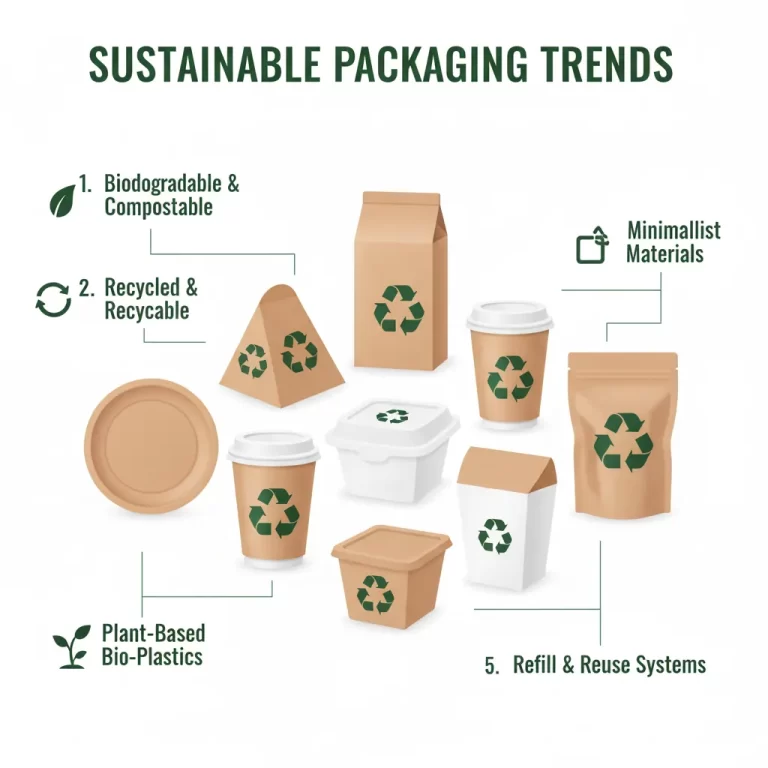
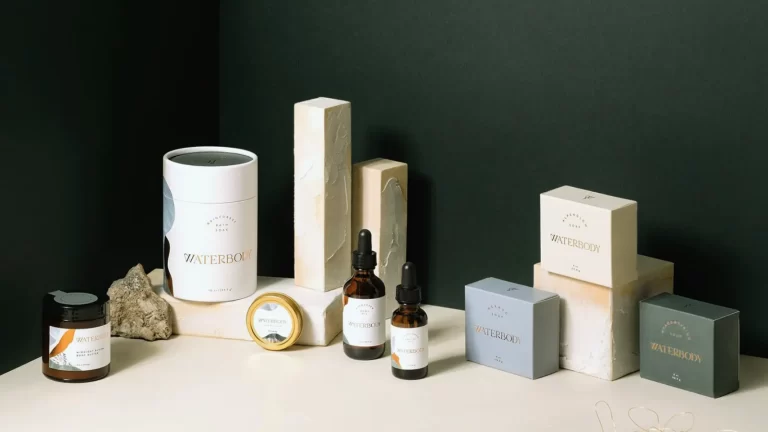
3. Embrace Intelligent Minimalism (Not Boring Design)
Minimalist packaging isn’t about doing less. It’s about doing only what matters.
Across the UK, we’re seeing strong movement toward:
- Clean typography
- Neutral colour palettes
- Subtle embossing
- Matte finishes
- Sustainable materials with visible texture
Kraft board and uncoated card are increasingly popular because they signal sustainability without shouting about it.
But here’s the key: minimal must still look intentional. Cheap and minimal are not the same thing.
4. Follow the 5 Core Functions of Great Retail Packaging
Forget trends for a moment. Every successful retail box must do five things well:
Protect
Your packaging must survive storage, transport, and shelf handling. If it arrives damaged, your brand image suffers immediately.
For food and cosmetics in the UK, always ensure compliance with British safety standards and proper barrier properties.
Present
Shelf impact matters. Think about how your box will sit next to competitors.
Provide
Clear information builds trust. Ingredients, usage instructions, certifications — don’t hide them.
Promote
Your packaging should reinforce your brand story. Are you eco-conscious? Premium? Functional?
Position
Does it appear like it belongs in the store in which you would like it to be?
Packaging that is correctly placed reduces price resistance.
5. Choose Materials That Balance Cost, Strength & Sustainability
It is here that experience truly matters.
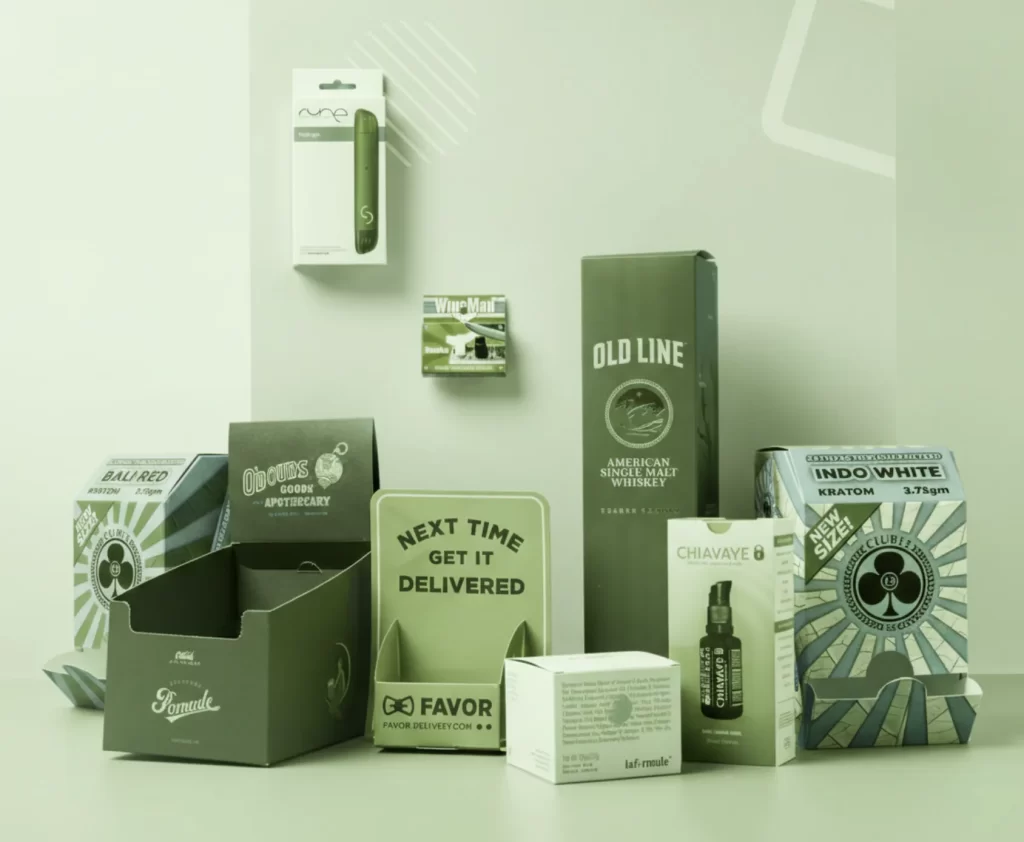
On the UK market the most frequently used materials for making custom packaging for retail are
Cardboard (Folding Box Board)
Perfect for supplements, Small electronics, cosmetics
- Cost-effective for large-sized runs. Cost-effective for mid-to-large
- Excellent print quality
Corrugated Board
- Stronger structure
- Perfect for eCommerce and heavier items
- Great for subscription brands
Kraft Board
- Eco-visible appeal
- Popular with organic and artisan brands
- Recyclable and sturdy
Sustainability isn’t optional anymore in Britain. Customers expect it. Retailers often require it.
But sustainability must still protect the product. A damaged eco-box helps no one.
6. Design the Unboxing Experience (Even for Retail)
Even if you’re selling in-store, customers still care about experience.
Ask:
- Does the box open smoothly?
- Is there a satisfying reveal?
- Does the inside print reinforce the brand?
A brief text message inside or a brand-named insert can significantly improve the perception of customers without significantly increasing the cost.
This is crucial for companies that sell products online.
Bonus: Don’t Follow Trends Blindly
Sure, interactivity in packaging as well as QR codes are a hit.
But they only make sense if they’re in line with your existing customer base.
A premium skincare brand aimed at customers who are older could not benefit from the latest tech features. However, a Gen-Z-focused snack brand could benefit from it.
Strategy first. Trend second.
Final Thoughts from the Factory Floor
Retail Packaging isn’t about making something “look nice.”
It’s about:
- Reducing damage rates
- Improving shelf appeal
- Supporting price positioning
- Building brand recognition
- Encouraging repeat purchase
The brands that succeed in the UK market understand that packaging is not an afterthought — it’s a growth tool.
If you’re investing in custom retail boxes, invest properly. Get the structure right. Get the material right. Get the print right.
Do that, and your packaging won’t just hold your product — it’ll help sell it.
🤝 Get Free Estimation for your Retail Packaging
Need packaging advice for your next order?
Share your box size, material, quantity, and artwork needs. Our team can guide you before production starts.