 UK
UK
 USA
USA


Table of Contents
Which Packaging Material Is More Eco-Friendly - Kraft Paper or Cardboard?
Kraft Paper Vs Cardboard Packaging--Eco-Friendly Comparations Kraft paper and cardboard are two popular packaging materials, both with eco-friendly credentials. On first inspection they may appear similar; however, closer examination reveals some distinctive features which help separate them.
Both cardboard and kraft are generally considered eco-friendly options that can be recycled, reused or converted to compost - but which of them is the real winner when it comes to sustainable packaging? Let's investigate further to determine that.
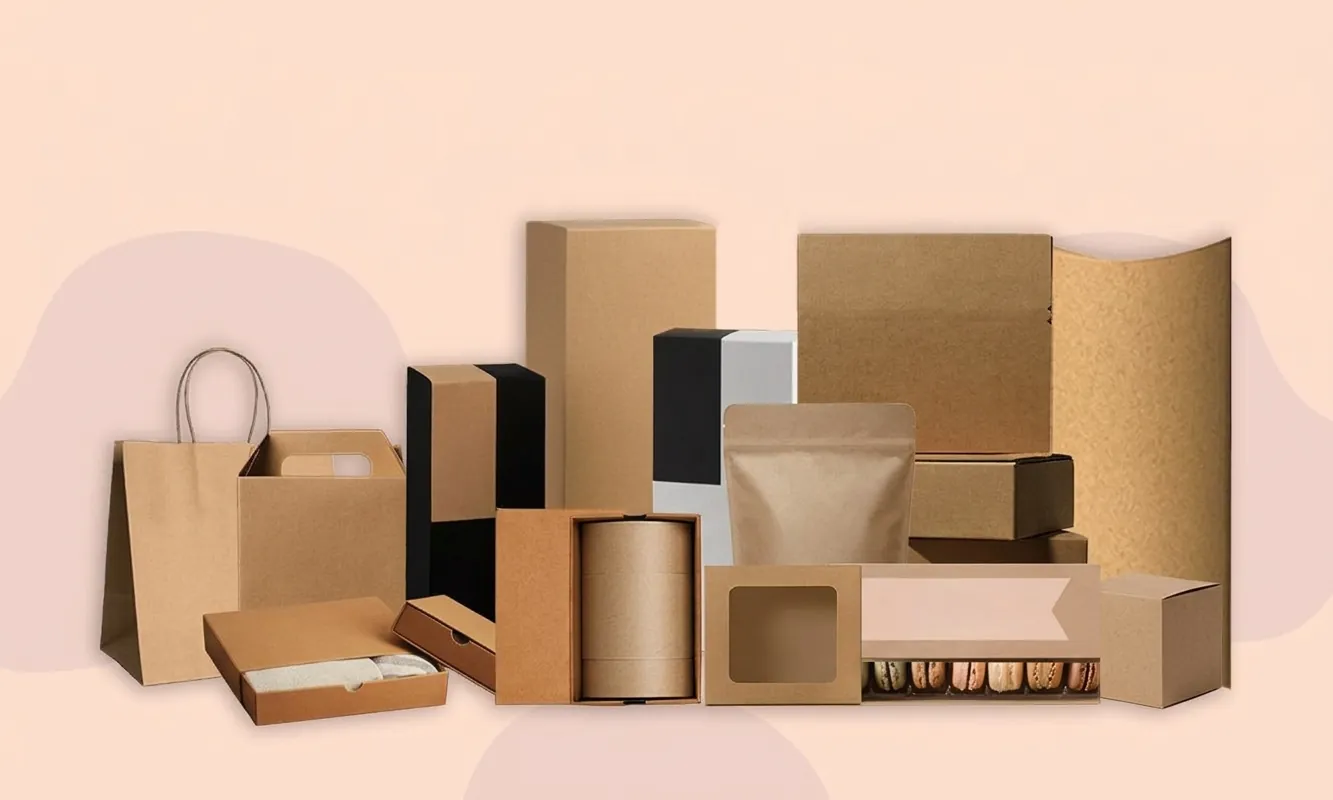
Kraft Paper
Kraft is a German word which means strength, and this is a good name to give this tough yet light packaging material. Kraft paper is obtained by the chemical pulping process called the kraft process which manufactures robust unbleached paperboard.
The paper is brown, a natural color, and slightly rough, which is caused by the fact that it is not bleached. This makes products look rustic and organic which is something eco-conscious consumers enjoy due to their appreciation of earthly toned and simplicity.
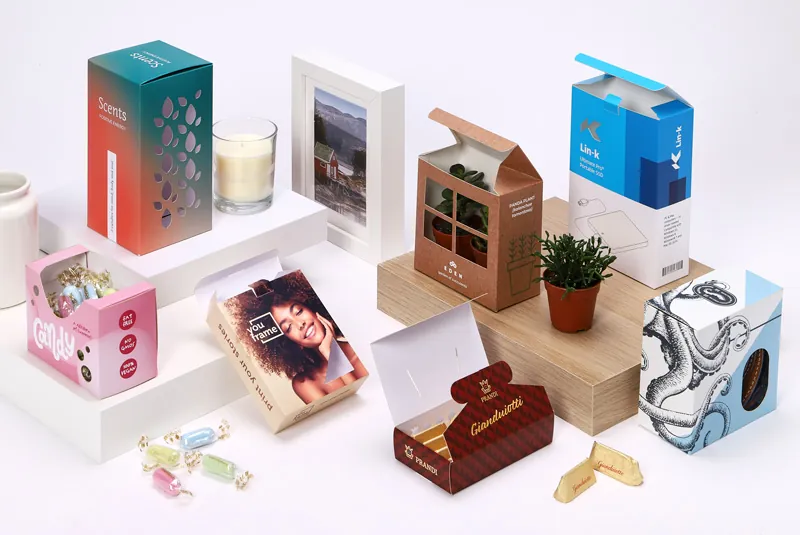
Cardboard
Paperboard is used to make cardboard, otherwise known as chipboard. It is either single-layered or multi-layered, which is durable and provides safety to the packaged goods.
Cardboard has different levels of thickness with a strong structure, and it can be used in the shipping, retail, and e-commerce packaging, which makes it a flexible packaging solution regardless of the size of the products being shipped.
Sustainability Face-Off
Kraft and cardboard are both sustainable materials, which is attributed to their recyclability and the fact that they can be reused. Nevertheless, there are almost minor variations in manufacture and composition that affect their environmental impact.
Raw Materials and Manufacturing.
The kraft process involves using heat and chemicals on the wood pulp to make kraft paper and in the process eliminating lignin but preserving strong cellulose fibers. What comes out is a tear resistant, biodegradable and very strong paperboard.
The wood is usually pulped into a slurry, then the sheets are made, dried with cardboard, and the paper is usually recycled. In the case of corrugated cardboard, they are taken through a corrugator to form fluted layers, which are cut, creased and folded into boxes.
Carbon Track and Energy Consumption.
Kraft packaging is environmentally friendly: it can be fully recycled, composted, and biodegraded, and it has very little chemical treatment. Its manufacturing tends to be small carbon footprint, and does not use as much energy.
The cardboard can also be recycled and reused on several occasions without much loss of quality. Nevertheless, bleached or laminated cardboard can lower the biodegradability and general sustainability.
Biodegradability
The two materials are biodegradable in months. The kraft that is not bleached and has organic fibers can be easily composted at home. Multilayered or coated paperboard, particularly cardboard, typically needs industrial treatment to be broken down completely.
Durability and Weight
Kraft paper offers heavyweight packaging that is lightweight and has uniform thickness. Cardboard has a range of thicknesses and it may be single and multi-layered with fluting designs that make it stronger to carry heavier products.
Customization Options
The kraft paper has very organic, rustic look though it can be customized to have minimal graphics, especially black ink to preserve its natural look.
Cardboard, in particular bleached types, is high definition printers and can have flexible finishes, including lamination and coverings, and is therefore ideal when complex designs are required.
Final Thoughts
Kraft and cardboard have strengths and application enhancers.
Kraft paper would be ideal when you want to have environment-friendly, light packaging with a rustic and natural style. It appeals to customers who are conscious of the environment.
Cardboard is appropriate to the heavyweight and strong packaging with enhanced customization and high-quality finishes.
Kraft comes out the better option in the sustainability race.
Not yet certain of the choice of packaging material best? Don't worry--we're here to help. Call us to find professional advice and get a tailor-made quote so that your packaging can be environmentally friendly and convenient.


