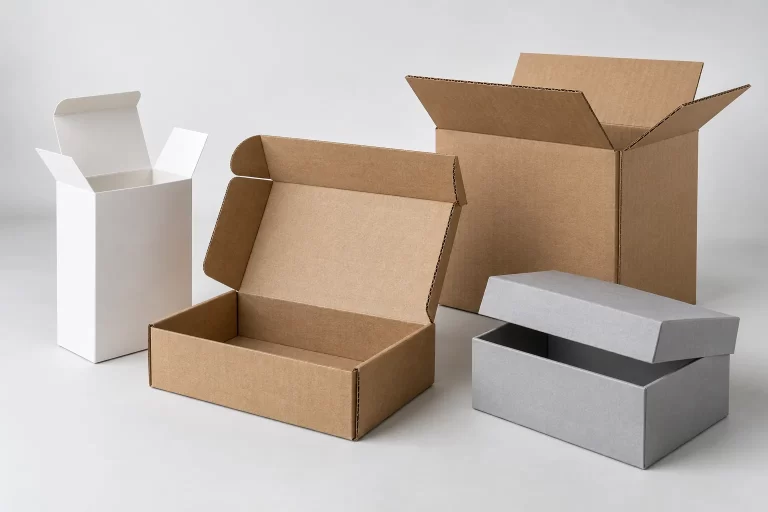
The Ultimate Beginner’s Guide to Cardstock Paper
If you’ve ever held a wedding invitation or luxury product tag and thought, “This feels premium,” chances are you were holding cardstock. With over 20 years in the UK packaging and printing industry, I’ve seen how this versatile material, also called cover stock or card paper, transforms everything from simple brochures to high-end gift boxes. But what exactly is cardstock, and why should you care?
Cardstock Explained: Heavier Than Paper, Lighter Than Cardboard
Cardstock sits between regular paper and cardboard, sturdier and more durable than copy paper, yet flexible enough to fold and handle easily. It’s the middleweight champion of the print world, perfect for projects that need structure and polish.
Also known as cover stock or card paper, cardstock keeps its shape while adding a professional touch. You’ll find it everywhere, greeting cards, menus, postcards, packaging inserts, and more.
Understanding Cardstock Weight: GSM, Pounds, and Caliper
Cardstock weight refers to density, thickness, and strength, all of which affect print quality, folding, and durability.
In the UK, weight is measured in GSM (grams per square metre). Higher GSM means a thicker, sturdier sheet. Standard printer paper is ~80 GSM; cardstock is typically 200–400 GSM or higher.
In the US, weight is often shown in pounds (lb), based on 500 sheets. Common options include 65 lb, 100 lb, and 110 lb.
- 65 lb ≈ 176 gsm — light cardstock for crafts or layering
- 80 lb ≈ 216 gsm — great for greeting cards and light covers
- 100 lb ≈ 270 gsm — ideal for menus, postcards, premium prints
- 110 lb ≈ 298 gsm — strong and durable for invitations, packaging
Text Weight vs. Cover Weight
Text weight is lighter paper used for pages, leaflets, or brochures. Cover weight is heavier, stiffer cardstock for covers, cards, and packaging. Note that 80 lb text is much lighter than 80 lb cover.
Types of Cardstock & Finishes
Finish changes the feel and look of your project. Choose what suits your print method and design.
- Smooth — flat surface for crisp inkjet or laser printing
- Textured — linen, felt, or canvas textures for tactile invites and premium packaging
- Uncoated Matte — writable, low glare for stationery
- Coated / Gloss — shiny, vibrant colour for marketing and labels
- Coloured & Metallic — bold hues or shimmer for luxury invites and branding
Cardstock vs. Cover Stock
In everyday use, the terms are often interchangeable. In print trade, cover stock can refer to coated or specialty cardstock (think glossy covers), while cardstock is the broader category.
Common Uses of Cardstock
Cardstock is adaptable across printing, crafting, and packaging.
- Business cards, tags, and postcards
- Wedding invitations, menus, certificates
- Scrapbooking, card making, paper flowers
- Product sleeves, box inserts, lightweight folding cartons
- Labels and branded stationery
Tips for Printing & Working with Cardstock
- Check printer specs for supported thickness and use rear/back feed if available
- Select “Heavy Paper” or “Cardstock” mode to reduce jams
- Score before folding to prevent cracking and get clean creases
- Test print before large runs to confirm alignment and drying
Final Thoughts from a Packaging Pro
Cardstock is a simple material with a big impact. Whether you’re crafting elegant invitations or designing branded packaging, the right stock elevates the entire experience. Unsure which weight or finish to choose for your project? Send us a message — we’ll help you pick the perfect, print-ready option.
Need packaging advice for your next order?
Share your box size, material, quantity, and artwork needs. Our team can guide you before production starts.