UK
UK
 USA
USA


What Is a Pillow Box and Why UK Brands Use It: Practical Advice by a Packaging Veteran.
Presentation in the UK retail market does not just safeguard a product but it is an indicator of quality, value and brand credibility in a couple of seconds. Over the decades of experience of cooperation with independent retailers, ecommerce start-ups, and high-street brands in Britain, I have noticed that one type of packaging serves to fulfill the needs of small, luxury products: the pillow box.
When selling jewellery, cosmetics, artisan soaps, candles, or gift samples, how pillow boxes operate, and when to use them, can has a direct bearing on how well people will perceive your product and subsequently repurchase.
Let's break it down properly.
What Is a Pillow Box?
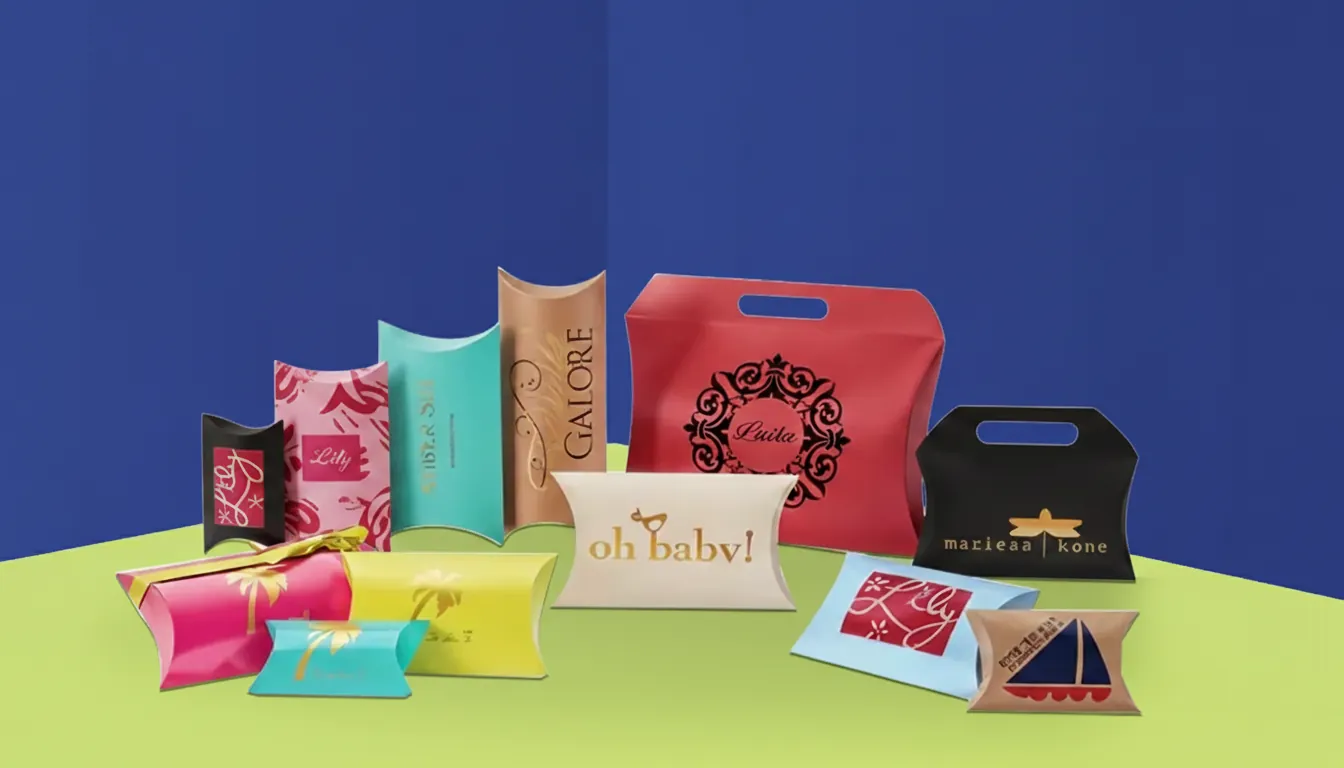
A pillow box is a rolled-edge carton made of a packaging material and is a pillow-shaped shape that is soft when assembled and has the end flaps that are rolled inwards and joined at the ends. It is usually cut into one sheet of board and folded with no glues and this makes the design effective, light and economical.
Pillow cases depend on structural tension of flaps and curved panels unlike rigid cartons. The result is:
- Compact yet secure
- Quick to assemble
- Best in lightweight and small goods.
- Flat to store easily to save on shipping.
That flat-pack benefit is important to UK based brands with the challenge of controlling storage charges and fulfilment efficiency.
The reason Pillow Boxes work so well with the British Brands.
Good Shelf Appeal and No Over kill with material.
Retail in the UK - many of the boutiques, markets and gift shops in the UK have a limited shelf space. Pillow boxes are noticeable at first sight due to the absence of square and rectangular staleness.
The curved silhouette:
- Makes the appearance of high-end products soft.
- Signals "gift-ready"
- Produces visual distinction with no high material price.
In brief: greater presence, equal weight of the board.
Small, High-Value Products are Ideal.
Starting with the jewel makers of Manchester through to the skincare star-ups of London, the majority of independent UK brands are selling small, margin sensitive products.
Pillow boxes are especially appropriate with:
- Earrings and bracelets
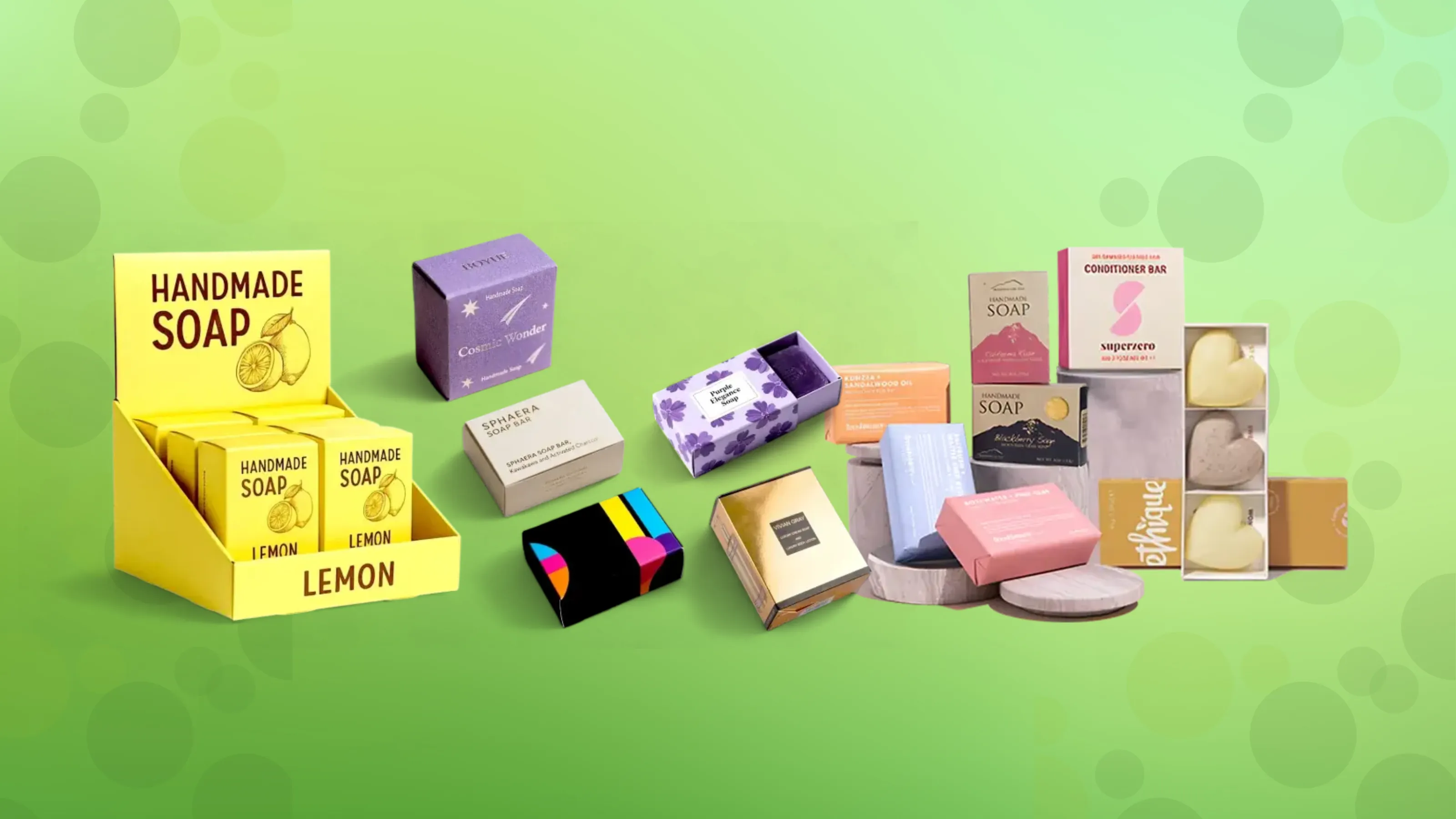
- Artisan soaps
- Wax melts
- Cosmetics
- Promotional gift items
- Subscription inserts
They are packaged but not over-packaged - a key consideration in the current British sustainable market.
Green Supply Chain.
There is growing demand among customers in the UK to have environmental friendly packaging.
Production of pillow boxes may be achieved by use of:
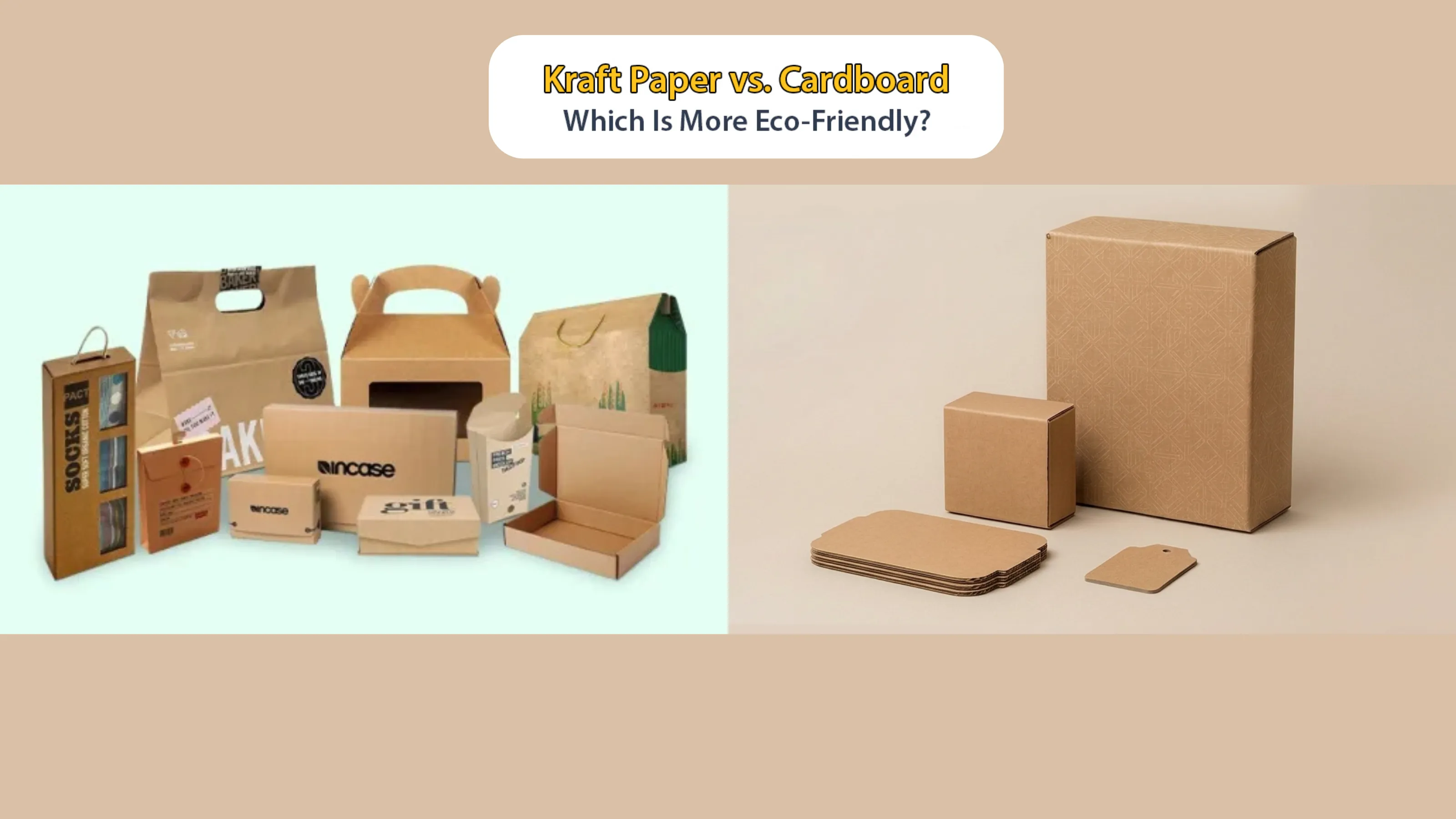
- Kraft board
- FSC-certified paperboard
- Recycled cardstock
They are also light and do not need much adhesive which leads to a low environmental effect as opposed to hard gift boxes.
This is a good positioning strength of the brands that adhere to the UK standards on sustainability.
Economical when short and medium run.
Not all brands should be in 50,000 unit print runs. Pillow boxes are very flexible towards:
- Digital printing (long-runs are not good)
- Offset (economical in large quantities)
- Pantone colour matching as brand consistency.
In a situation where UK SMEs have to work within less budget constraints, this flexibility enables expansion without committing themselves to inventory.
Pillow Box Surpasses in the UK Market.
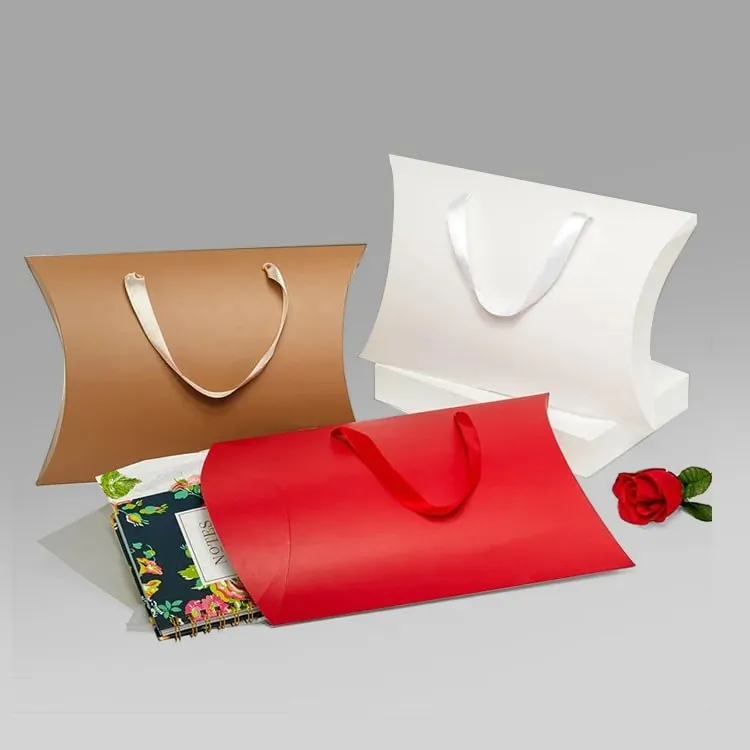
pillow boxes with handles that are customized.
Additions made on the handle add value and enhance portability. These are common for:
- Exhibition giveaways
- Retail gift purchases
- Seasonal promotions
The presentation is enhanced with a simple die-cut or rope handle that does not make production impractical.
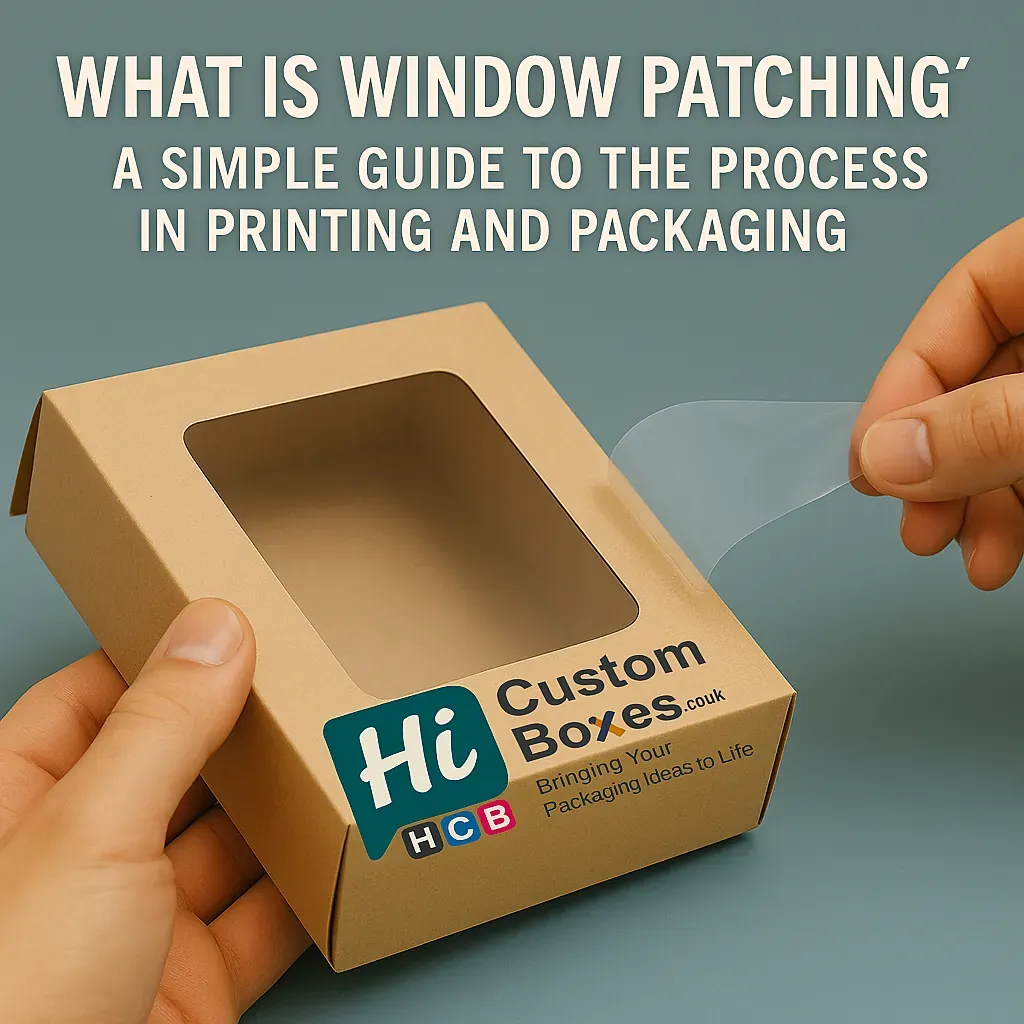
Die-Cut Window Pillow Boxes.
Handmade products are particularly handy in window panels. Customers will have the opportunity to view colour, texture or detailing without having to open the pack.
In the case of artisan British brands, trust is created through transparency.
Ribbon or Decorative Closures.
Ribbon closures are used in:
- Wedding favours
- Luxury cosmetics
- Christmas gift lines
They add value but do not rise to the price space of rigid boxes.
How to Strategically Customise Pillow Boxes
Through experience, packaging is usually overcomplicated by brands. The main point is intentional individualisation.
Research Your Immediate Rivals
Walk through UK retailers. Review Amazon listings. Conduct competitor packaging analysis.
Ask:
- Are they using plain kraft?
- Is branding minimal or bold?
- Is there sustainability communication?
Then position yourself deliberately — not by chance.
Get the Structure Right First
Before getting into finishes, make sure:
- Board weight matches product weight.
- Flaps close securely.
- Dimensions prevent product movement.
- External form remains intact during transit.
A beautiful box that fails during delivery damages your brand more than plain packaging ever could.
Choose Colours with Intent
For UK markets:
- Black = High-end, jewellery, luxury cosmetics.
- White = Skincare, clinical, clean positioning.
- Kraft = Eco-friendly, handmade, organic.
- Deep greens & navy = Heritage and premium positioning.
Use:
- CMYK for standard print runs.
- Pantone for strict brand consistency.
Consistency builds familiarity — and familiarity builds trust.
Printing & Finishing Options
Depending on budget and positioning:
- Small batches: Digital print.
- Larger runs: Offset print.
- Premium lines: Foil stamping.
- Logo emphasis: Spot UV.
- Tactile branding: Embossing.
Use embellishments carefully. Over-finishing can reduce credibility in minimalist UK markets.
Collaborate with a Trusted UK Packaging Supplier
Logistics matter.
Working with a UK-based packaging supplier reduces:
- Shipping delays
- Customs complications
- Reprint turnaround time
It also ensures compliance with UK packaging standards and transparent material sourcing.
When Pillow Boxes Are Not the Right Choice
As a veteran, I’ll say this clearly — pillow boxes are not suitable for heavy, fragile, or high-impact shipping products.
If your product requires:
- Rigid protection
- Foam inserts
- High stacking strength
Consider rigid cartons instead. The right structure should always match the right product.
Final Thoughts
Pillow box is not a fad, it is a viable structural form, which is cost-effective, presentable, and sustainable.
In the case of UK based brands of small specifically high quality products, they provide:
- Distinctive shelf presence
- Efficient flat-pack storage
- Good brand surface area.
- Green compatibility of materials.
- Scalable flexibility of printing.
When properly used, they raise perception but do not deflate the costs.
That balance is important in a competitive British retail environment.