UK
UK
 USA
USA


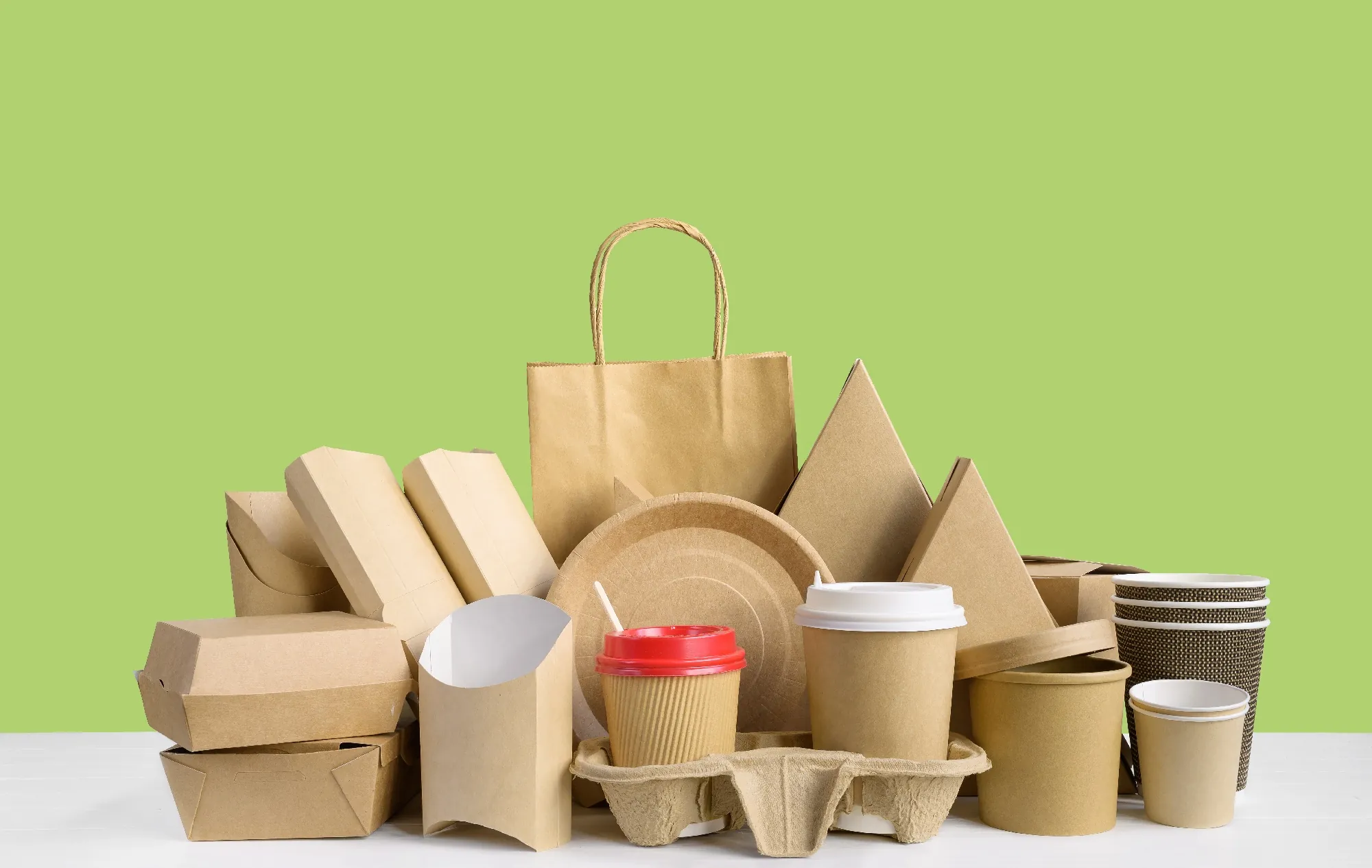
Types of eco-friendly packaging materials that the brands of Eco-friendly packaging materials in the UK are not currently using.
UK businesses, from busy warehouses in Manchester to stylish shops in London, are feeling pressure to reduce waste. Customers want it. Retailers expect it. What about regulations? It's only getting more strict.
Your packaging is a major change that can have a significant impact. Your packaging could put your brand at risk if it is not sustainable.
Are you unsure which eco friendly materials work on the UK market? We'll look at some of the sustainable packaging solutions that many brands are yet to explore.
Here are a few eco-friendly packaging options that UK companies should seriously consider. They are effective and practical. I've used them across retail, D2C, food, and e-commerce brands.
Compostable Packaging
Fully plant-based. No harmful residues. No long-term landfill impact. Compostable packaging decomposes to produce high-quality soil when composting is done in the appropriate conditions. This is specifically helpful to food brands and takeaway businesses in the UK that are attempting to reduce single-use plastic.
- Corn starch
- Sugarcane fibre (bagasse)
- Bamboo pulp
Compostable packaging can be a powerful branding strategy if your product lifecycle is short (food, cosmetics samples, subscription goods, etc.).
Corrugated Packaging
Even to this day, the mainstay of the UK shipping. Corrugated cardboard is still among the most sustainable and stable transport packages to use. It is extensively recycled within the UK, and can be reused quite a number of times before it is reprocessed.
Why it works:
- Strong for courier handling
- Lightweight rates at Royal Mail and DPD
- Simple to personalise to brand
- Large content of recycled materials
This is not a safe choice for e-commerce brands, but frequently it is the smart choice.
Reform Packaging
Paper and Plastic. Plastic isn't the enemy. Virgin plastic is. Recycled materials in the form of post-consumer (PCR) give brands an opportunity to utilize the already existing materials rather than producing new raw materials. It implies that there is less carbon influence and less burden on landfill.
Fashion and beauty brands particularly in the UK like recycled paperboard and recycled poly mailers. When you need your packaging to be flexible or need it to be moisture resistant, recycled plastic can form a realistic compromise.
Glassine Packaging
It is sometimes mistaken with greaseproof paper - more sophisticated though. Glassine is produced with the use of super-calendered wood pulp and a smooth semi-transparent surface is created. It is recyclable, biodegradable and does not have plastic laminates.
It's ideal for:
- Art prints
- Stickers
- Apparel inserts
- Boutique retail items
Glassine offers a pure and high-end feel without plastic wraps, in case presentation is important.
Seaweed Packaging
Biodegradable. Renewable. Sometimes edible. Packaging created out of seaweed is becoming popular in Europe. It breaks down naturally and does not depend on land crops and land-use of freshwater. Although it is still in the UK, it is especially applicable to:
- Food portions
- Single-use sachets
- Innovative eco-led brands
When your brand image is based on sustainability, such material is the one on the focus list.
Cornstarch Packaging
An efficient substitute of traditional polystyrene void fill. Cornstarch packaging emulates the protection ability of Styrofoam but decomposes naturally. Cornstarch packing peanuts are now widely used in many of the warehouses in UK. It's especially useful for:
- Fragile goods
- Electronics
- Subscription boxes
This is a simple upgrade in case you are still using expanded polystyrene.
Mushroom Packaging
It is composed of mycelium - root of mushrooms. It develops into moulds and takes the shape of protective shapes akin to foam inserts. After disposal, it is decomposed naturally. Strong. Protective. Compostable.
It's well suited for:
- Electronics
- Glassware
- Premium product inserts
It is a strong contender to brands that would wish to substitute moulded plastic inserts.
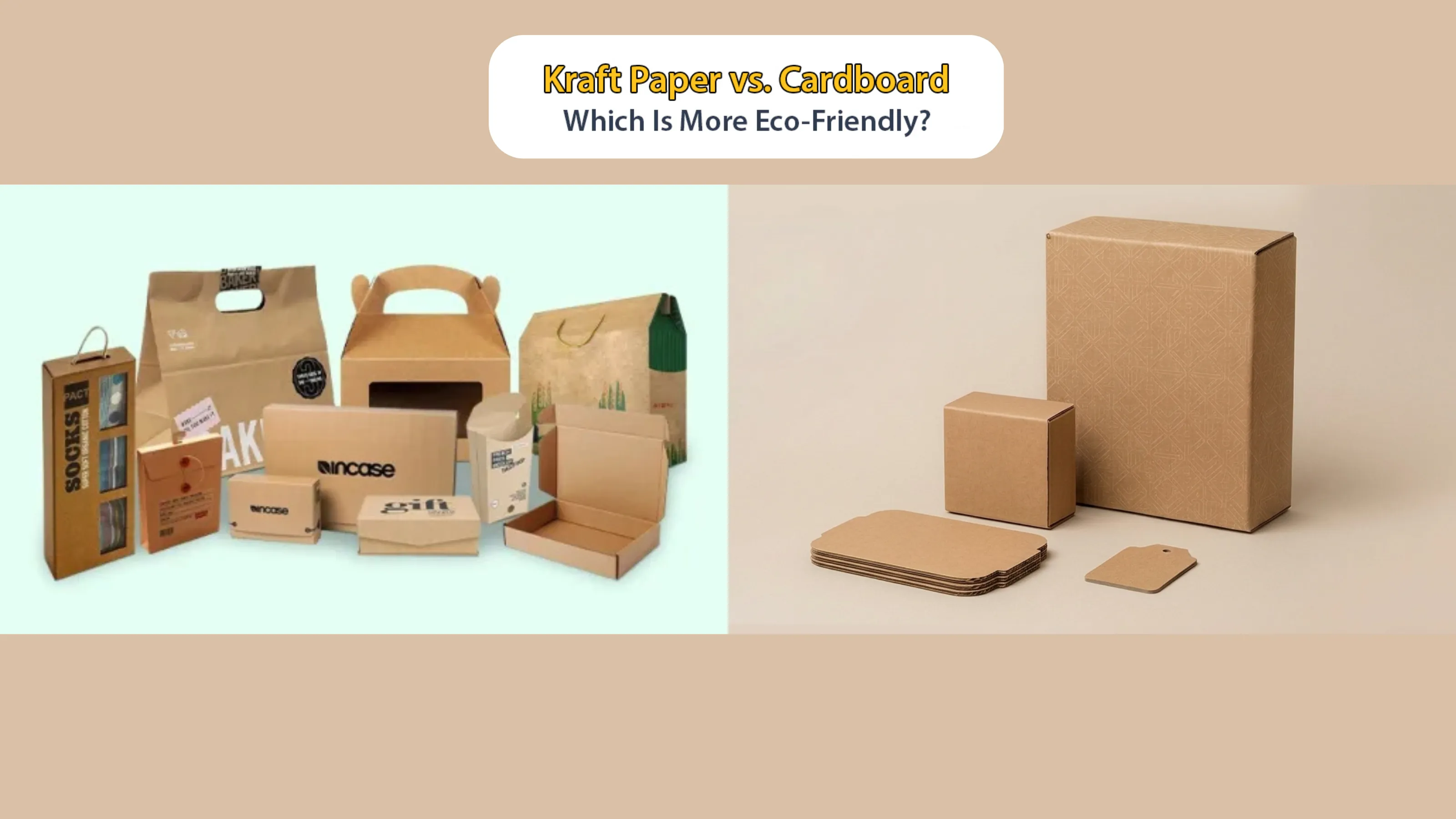
Kraft Paper Packaging
Simple. Reliable. Widely recyclable. Kraft paper has continued to be one of the reliable sustainable packaging materials in the UK market. It is powerful, natural and customisable.
Small takeaway bags to big cartons, kraft keeps winning in all industries, such as food, apparel, tech, cosmetics, and so on. Kraft is the simplest to switch especially when you are new to the sustainability game.
 What is the most appropriate packaging media of your brand?
It does not have a single universal solution. It depends on:
- Product weight
- Fragility
- Requirements of shelf presence
- Moisture exposure
- Shipping method
- Brand positioning
The only thing required by some businesses is durable Durable Kraft Boxes. Some of them need glassine wraps to look good or mushroom inserts to protect themselves. In my case, experimenting on small production runs (MVP-type packaging experiments) provides a better understanding than assumptions.
Which Organizations Do you want to collaborate with on Sustainable Packaging?
There are lots of suppliers, who state that they are environmentalists. Few of them know the UK compliance, recycling streams, and material sourcing properly. Before committing, check:
- The percentage of recycled content
- Compostability certification
- Fit of waste streams in the UK
- Supply chain transparency
We have collaborated with the UK market, upcoming enterprises, and well-known brands that desire practical sustainable packaging rather than greenwashing at Hi Custom Boxes. Being environmentally friendly is not the only right thing to do. It is about securing your product, enhancing your brand, and fulfilling the expectations of the UK customers at a time. When you are considering your packaging strategy in 2016, begin with the material. Everything else follows.